
Choose a water damage restoration company by confirming who will perform the work, what the written scope includes and how decisions will be documented. Speed matters when water is spreading, but a promise of quick arrival does not explain the service you are authorizing. For your Nashville property, ask for a named provider and a clear plan from assessment through the next handoff.
If there is an immediate electrical, structural or other safety hazard, keep clear and seek appropriate emergency assistance. Once safe arrangements are underway, use the questions below to compare providers without assuming that every estimate covers the same work.
Identify the actual company doing the work
Referral intake versus the contracted provider
Start with a direct question: “What is the full name of the company I would contract with?” A call center or referral service may help coordinate a request while another business performs the assessment and restoration. Ask who will arrive, who prepares the estimate, who sends the invoice and who handles questions afterward.
Property Water Damage is an independent referral and dispatch service. When requesting a referral, confirm the local provider’s identity and service details before authorizing work. Ask the provider to confirm availability and arrival arrangements rather than treating an intake conversation as a guaranteed appointment.
Verify claimed qualifications and applicable credentials
Ask for evidence of qualifications relevant to the proposed work. If a provider claims a certification, find out which company or individual holds it and how you can verify that claim with the issuing organization. Ask about applicable licensing and insurance, and verify the information rather than relying on a badge in an advertisement.
The FTC recommends checking contractor credentials, reading reviews critically and obtaining written estimates. Where time and safety allow, compare more than one estimate and ask about differences. Avoid choosing on price alone or paying the full project amount upfront.
Source: FTC guidance on hiring home-improvement contractors.
When reading reviews, look for the type of work described and how the business communicated. Use them to form questions, not as proof that your project will have the same result. A company may handle extraction but use another provider for rebuilding; ask about the team assigned to your actual job.
Compare the written scope before comparing price
Assessment, extraction and drying checks
Ask which rooms and building materials the initial assessment covers. What will the provider do first? What needs to be assessed before work can be recommended? If the estimate is preliminary, ask what information could change it and when an updated scope will be available.
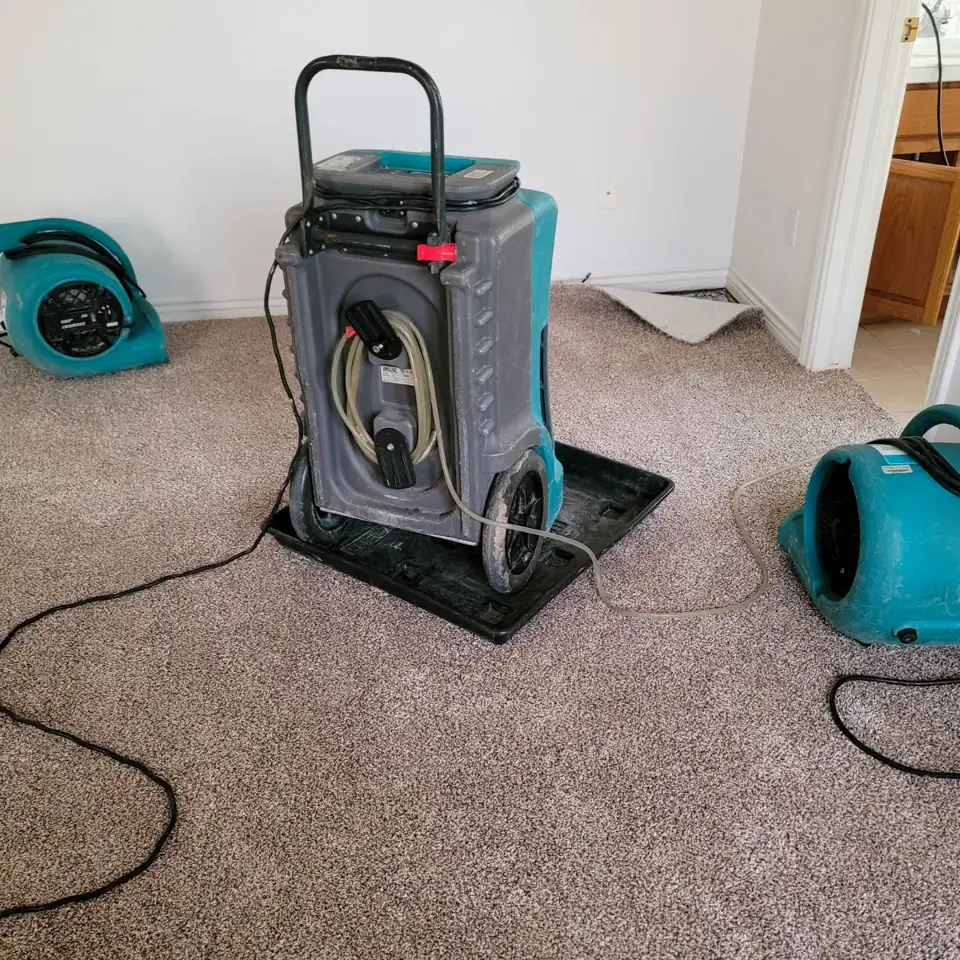
EPA describes moisture meters as tools for finding wet areas and monitoring drying. Ask how your provider will record the assessed locations and explain progress. A list of equipment names is less useful than an explanation of what the equipment is intended to accomplish in your property.
Source: EPA moisture-assessment guidance.
For equipment charges, ask what is included, how the charge is calculated and what determines continued use or removal. Confirm who checks progress, how updates reach you and whether a change in equipment or duration requires additional authorization. Get the answers in the scope.
Source repair, rebuilding and exclusions
Separate stopping the leak from addressing affected materials and restoring finishes. A restoration estimate may not include repairing the failed pipe, appliance, roof or drain. It may also stop before drywall finishing, painting or flooring installation. Ask where the proposed work ends.
Use a simple comparison for each estimate: rooms included, materials included, assessment work, removal work, equipment, monitoring, disposal and finish repairs. Mark exclusions and unresolved items. Two totals cannot be compared meaningfully if one includes rebuilding and the other covers only the initial response.
Ask who coordinates separate trades and whether subcontractors are involved. If the scope changes after access reveals another affected area, request an explanation and revised authorization before additional work proceeds. A useful estimate makes uncertainty visible instead of hiding it in a broad promise to “handle everything.”
Ask how updates and scope changes will work
Agree on a main contact, a backup contact and the update method. Ask what information you will receive after the initial assessment and during the work. For a Nashville rental, confirm who represents the property owner and who can approve changes. Access arrangements should be coordinated with the person responsible for the property.
Keep a folder with the original estimate, authorizations, photographs, updates and invoices. If the provider discusses insurance documentation, clarify exactly what it will supply. Keep coverage questions and payment arrangements separate from the technical scope; a contractor’s statement is not a coverage determination.
Before the next trade takes over, request a handoff that identifies completed work, remaining work and any limitations. Ask who will address outstanding questions. This is especially useful when the person who assessed the property is different from the crew or installer completing later work.
Six questions to ask before authorizing service
- What is the full name of the business doing the work and issuing the invoice?
- How can I verify the qualifications and applicable credentials you claim?
- Which rooms, materials and tasks are included in this written scope?
- How will you document assessment findings, progress and the basis for completing this stage?
- How are equipment charges, added work and changes approved?
- Who handles source repair, rebuilding and any work excluded from this estimate?
Write each provider’s answers beside its estimate. If something is unclear, request clarification before signing. During an urgent response, ask whether the immediate authorization can be clearly limited to the agreed first stage, with later work addressed in a separate written decision.
Choosing a restoration company FAQs
How do I choose a water damage restoration company?
Confirm the actual provider, verify relevant claims and compare written scopes. Ask how assessment, monitoring, charges, exclusions and changes will be documented. Choose based on the work your property needs and the clarity of the proposed arrangements.
What should a written water-damage estimate include?
Ask for the areas and tasks covered, materials or equipment proposed, pricing basis, exclusions and change-approval process. It should explain what is known now and what may require a later decision.
What is the average cost of water damage repair?
A general average does not establish the price for your property or show whether an estimate includes rebuilding. Request a property-specific written scope and ask which factors could change the charge. Compare equivalent work.
Does a referral service perform the restoration itself?
Confirm the arrangement before authorizing service. Property Water Damage provides independent referral and dispatch intake; the provider performing the work confirms its assessment, scope, availability and pricing.
Should I authorize rebuilding with the initial response?
Ask whether rebuilding is included, who performs it and what must be assessed or completed first. You can request separate written scopes for distinct stages so you understand each decision and its proposed cost.
Related local water-damage guides
- Water damage help in Nashville, TN
- Water removal and drying: assessment and next steps
- What drives a water damage restoration estimate in Nashville
Request a local provider referral in Nashville
Call 931-645-1285 to request a water-damage provider referral for your Nashville property. Share the affected areas, known source, timing and access concerns. Property Water Damage is an independent referral and dispatch service. The provider performing the work confirms availability, arrival, qualifications, scope and pricing. Review the provider’s written terms before authorizing service.